

Women Remain Underrepresented in Automotive Trades, but Automotive Recycling Data Cannot Show the Full Picture
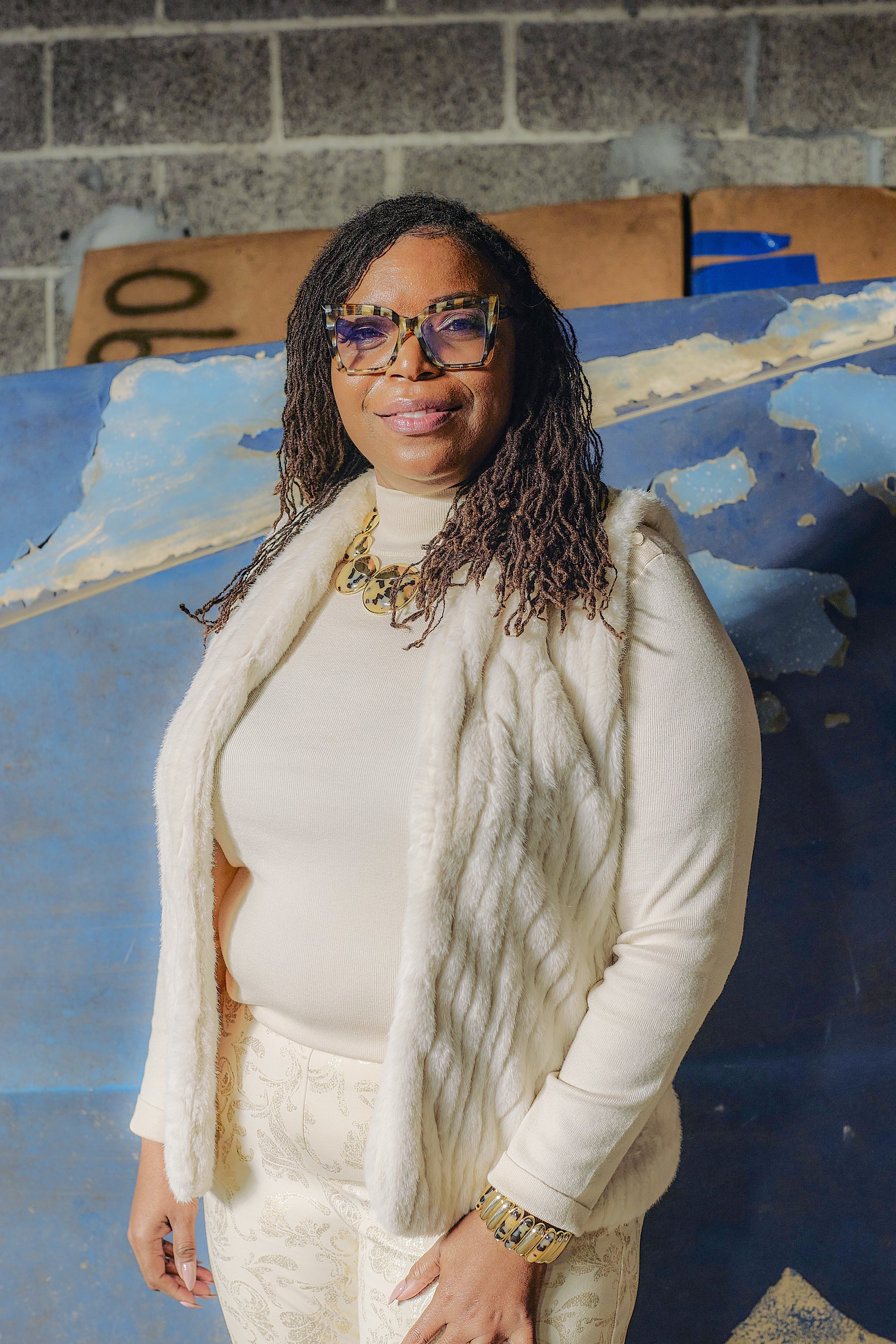
Automotive recycling entrepreneur Natasha Broxton inside Select Auto Parts & Sales in Milwaukee, where she has spent 14 years building and leading an automotive recycling operation.
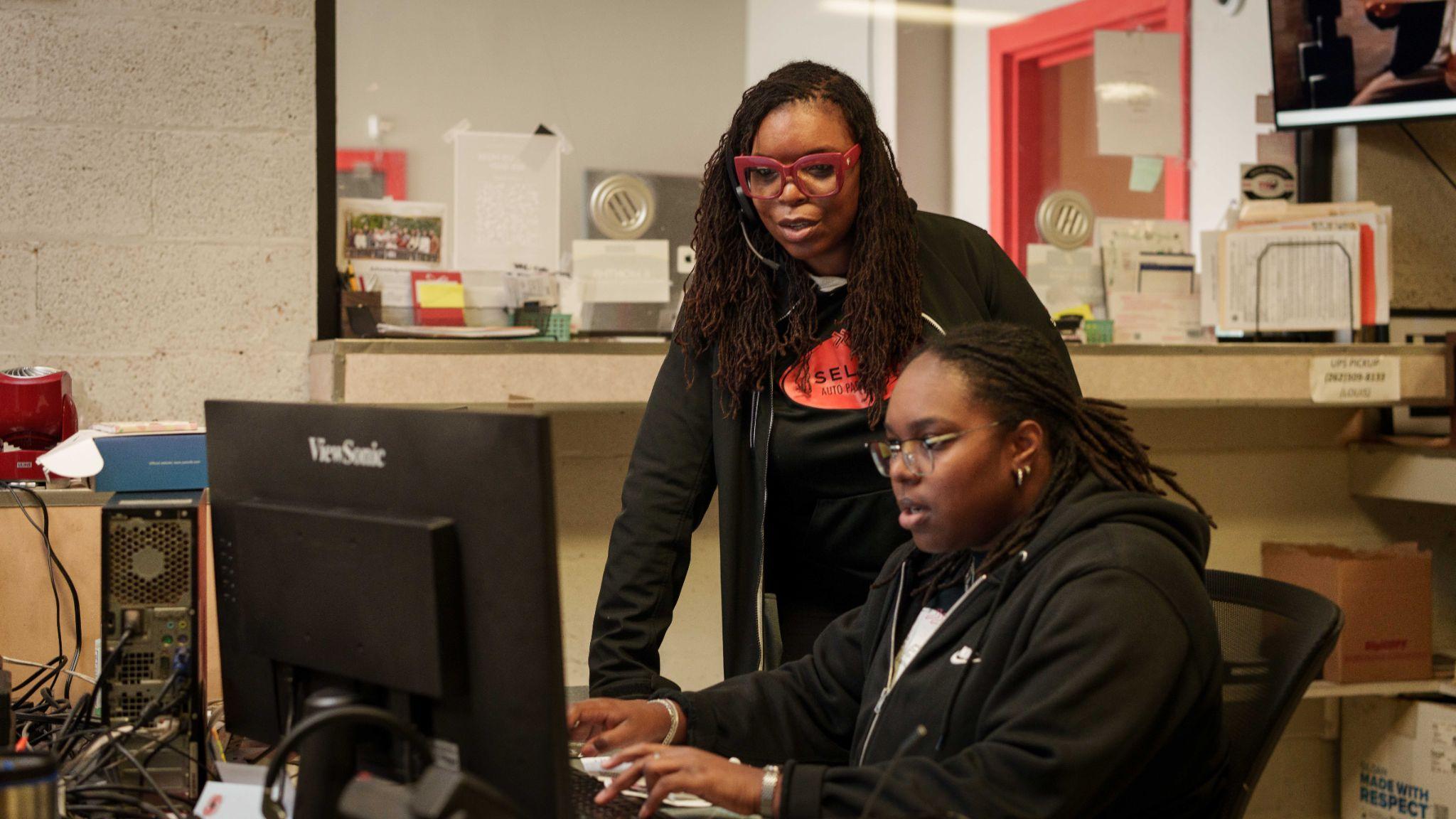
Natasha Broxton works alongside a woman team member inside Select Auto Parts & Sales, illustrating the operational and technology roles women hold inside modern automotive recycling businesses.
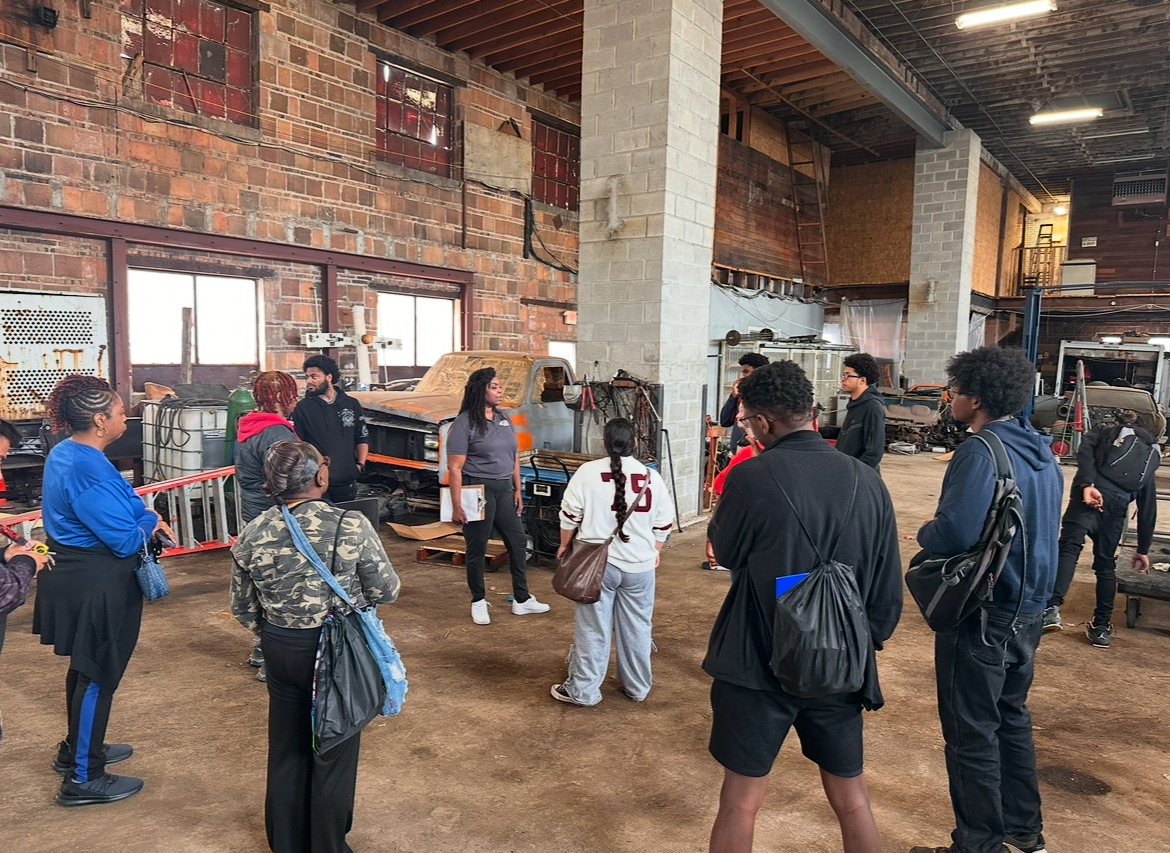
Natasha Broxton leads students through an automotive recycling facility, introducing the next generation to the technology, inventory and operations behind the industry.
Federal data shows women remain a minority in automotive repair, while fragmented classifications make automotive recycling participation harder to measure.
Federal labor statistics show that the broader automotive repair workforce remains heavily male. In April 2026, women represented 18.2 percent of employment in automotive repair and maintenance and 15.9 percent of employment in automotive mechanical and electrical repair and maintenance, according to the U.S. Bureau of Labor Statistics. But BLS does not publish a separate gender-specific employment category for automotive recycling.
The measurement challenge is structural. Automotive recycling activity can fall into broader industry classifications depending on whether a business dismantles vehicles to wholesale used parts or recyclable scrap. As a result, available public data does not provide a clear national benchmark for the share of women working in, owning or leading automotive recycling companies.
That matters because automotive recycling is a substantial part of the economy and vehicle supply chain. The Automotive Recyclers Association reports that its members operate more than 9,000 locations, employ more than 140,000 people and generate more than $32 billion in annual sales. Recyclers recover usable original equipment parts and materials from end-of-life vehicles, supporting repair affordability, reuse and environmental stewardship.
For Natasha Broxton, founder and CEO of Select Auto Parts & Sales in Milwaukee, the lack of visibility reflects what she has experienced during 14 years in automotive recycling.
“When I walk into a room in this industry, I am often the only woman and the only Black woman,” Broxton said. “After 14 years, I have learned that representation is not only about who gets invited into the room. It is also about who people can see owning the company, making the decisions, creating jobs and shaping where the industry goes next.”
Broxton has operated Select Auto Parts & Sales in Milwaukee since 2012, building a 125,000-square-foot indoor automotive recycling operation that serves repair businesses and supports the reuse of original equipment parts.
Her experience also points to a broader challenge for an industry that is changing quickly. Modern automotive recyclers manage inventory, logistics, e-commerce, environmental processing, online sales, data and increasingly technology-enabled operations. As vehicles become more complex and the industry competes for skilled workers and future owners, visibility can influence who sees automotive recycling as a viable career or business path.
“The future of this industry is going to require more technology, more skilled people and more creative leadership,” Broxton said. “We cannot keep treating women as outsiders and then wonder why they do not see automotive careers or ownership as a path available to them.”
Women are already serving in senior industry roles. The Automotive Recyclers Association’s 2025–2026 leadership roster lists Emily Yancey as Secretary of its Executive Committee and Amber Kendrick, Natalie Miller and Laurie Beacham on its Board of Directors. Their presence demonstrates that women are contributing at senior levels within the sector.
What remains missing is a readily available national benchmark showing what share of automotive recycling businesses are owned or led by women. Without a clear baseline, it is harder for industry groups, workforce organizations, policymakers and business leaders to measure progress, identify barriers or understand where leadership and ownership opportunities may be getting lost.
The issue extends beyond representation.
Industries navigating workforce constraints, succession challenges, new technology and changing business models need a broad pipeline of people prepared to work, lead and eventually own companies. Visibility at the ownership and leadership level can affect who receives mentorship, who enters industry networks and whether younger women can imagine themselves running a parts company, recycling operation or automotive technology business.
Broxton believes visibility has to be paired with access. That means introducing girls and women to the full range of automotive careers, connecting women already in the industry with mentors and business networks, opening pathways into ownership and leadership, and showing that modern automotive businesses require skills far beyond mechanical work alone.
“I do not want the next woman coming into automotive recycling to have to prove that she belongs before people are willing to hear what she knows,” Broxton said. “The goal is not to celebrate one woman for surviving a male-dominated industry. The goal is to build an industry where seeing women own, operate and lead these businesses is no longer unusual.”
As the automotive sector adapts to new vehicle technology, e-commerce, sustainability demands, workforce pressures and ownership transitions, understanding who participates in the industry is more than a demographic question. It is a workforce, competitiveness and leadership question.
For automotive recycling, the first step may be making the people already doing the work more visible and building better ways to measure who is still missing.
For interviews, keynote presentations and executive workshops with Natasha Broxton, visit AlituraGroup.com/speaking.
About Natasha Broxton
Natasha Broxton is an award-winning CEO, entrepreneur, speaker and AI consultant. She is the founder and CEO of Select Auto Parts & Sales in Milwaukee, Wisconsin, and founder of Alitura Group. She has spent 14 years building a business in automotive recycling while expanding the use of AI, automation, workforce development and digital systems inside a traditionally manual industry. Her work focuses on practical innovation, business ownership, visibility and creating stronger pathways for underestimated leaders.
Natasha Broxton
Alitura Group
+1 414-763-2475
hello@alituragroup.com
Visit us on social media:
LinkedIn
Instagram
Facebook
YouTube
TikTok
Legal Disclaimer:
EIN Presswire provides this news content "as is" without warranty of any kind. We do not accept any responsibility or liability for the accuracy, content, images, videos, licenses, completeness, legality, or reliability of the information contained in this article. If you have any complaints or copyright issues related to this article, kindly contact the author above.
